THE LEARNING YEARS
Ashokasha entered India through fruit juices, baby diapers, pasta and butter cookies. Each category taught the company how Indian pricing, retail, logistics and consumer preference worked—and where demand remained underserved.
From four decades of founder-led market instinct to a repeatable method for spotting and building emerging categories in India.

Long before international foods became a familiar part of Indian retail, Ashok K. Agarwal was learning how global products earn a place in local markets.
THE PRINCIPLE HE LEFT US“Do not take the herd to a field already grazed bare. Find the field no one has seen yet, and cultivate it before the crowd arrives.”
His instinctive version of Blue Ocean Strategy: create new demand instead of competing over what already exists.
His journey began in Nepal in 1980. Working across food and consumer categories, he developed an instinct for products with international equity, and for the local execution required to make them relevant far from their home markets.
Over the years, he held exclusive importation and distribution rights in Nepal for globally recognised names including Tang Drink Mix, Post Cereals, Jell-O Pudding, Tulip canned meats, Del Monte canned fruits, Lego and Palmer’s. The categories varied, but the lesson remained constant: a brand crosses a border successfully only when supply, positioning and trust move together.
In 2006, he brought that accumulated experience to New Delhi and founded Ashokasha Exim Private Limited. His aim went beyond importing premium products. He wanted to identify categories before they became obvious, translate international food cultures for the Indian market and build dependable routes from manufacturer to shelf and professional kitchen.
That forward-looking discipline still defines Ashokasha. The company’s evolution, from early consumer imports to tea, confectionery, canned seafood and a broad Asian-food platform, reflects his willingness to read structural change early and move decisively toward the next opportunity.
TANG · POST · JELL-O · TULIP · DEL MONTE · LEGO · PALMER’S
The Ashokasha story is a sequence of deliberate adaptations: learning how international brands travel, recognising structural change early and building the next portfolio before the market becomes obvious.
Ashokasha entered India through fruit juices, baby diapers, pasta and butter cookies. Each category taught the company how Indian pricing, retail, logistics and consumer preference worked—and where demand remained underserved.
Ashokasha developed Dilmah Tea across retail and foodservice, earning placements with hotels, airlines, caterers and national and regional modern-trade accounts.
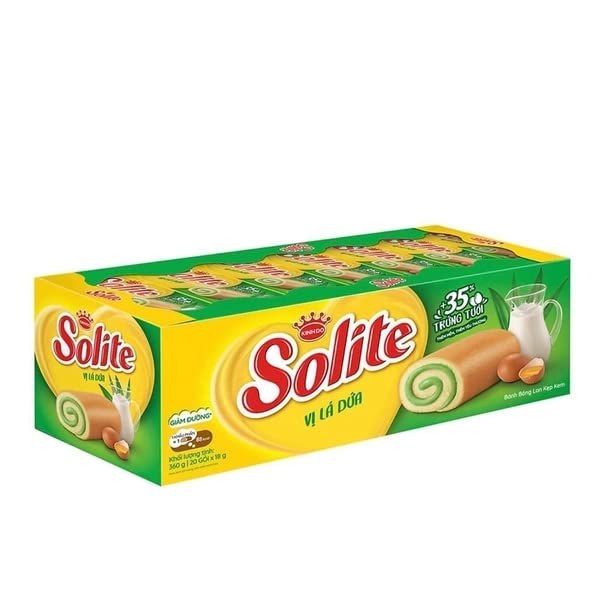
Ashokasha developed a broad international confectionery portfolio: Rinda jellies and almond toffee from Malaysia, ANI Bisküvi chocolates and biscuits from Türkiye, Kinh Do cakes and Swiss rolls from Vietnam, and Cocoaland Choco Pie—helping unfamiliar formats find scale in India.
As Indian confectionery manufacturing strengthened and imported products became less competitive, Ashokasha chose to build the next portfolio rather than defend the old one.
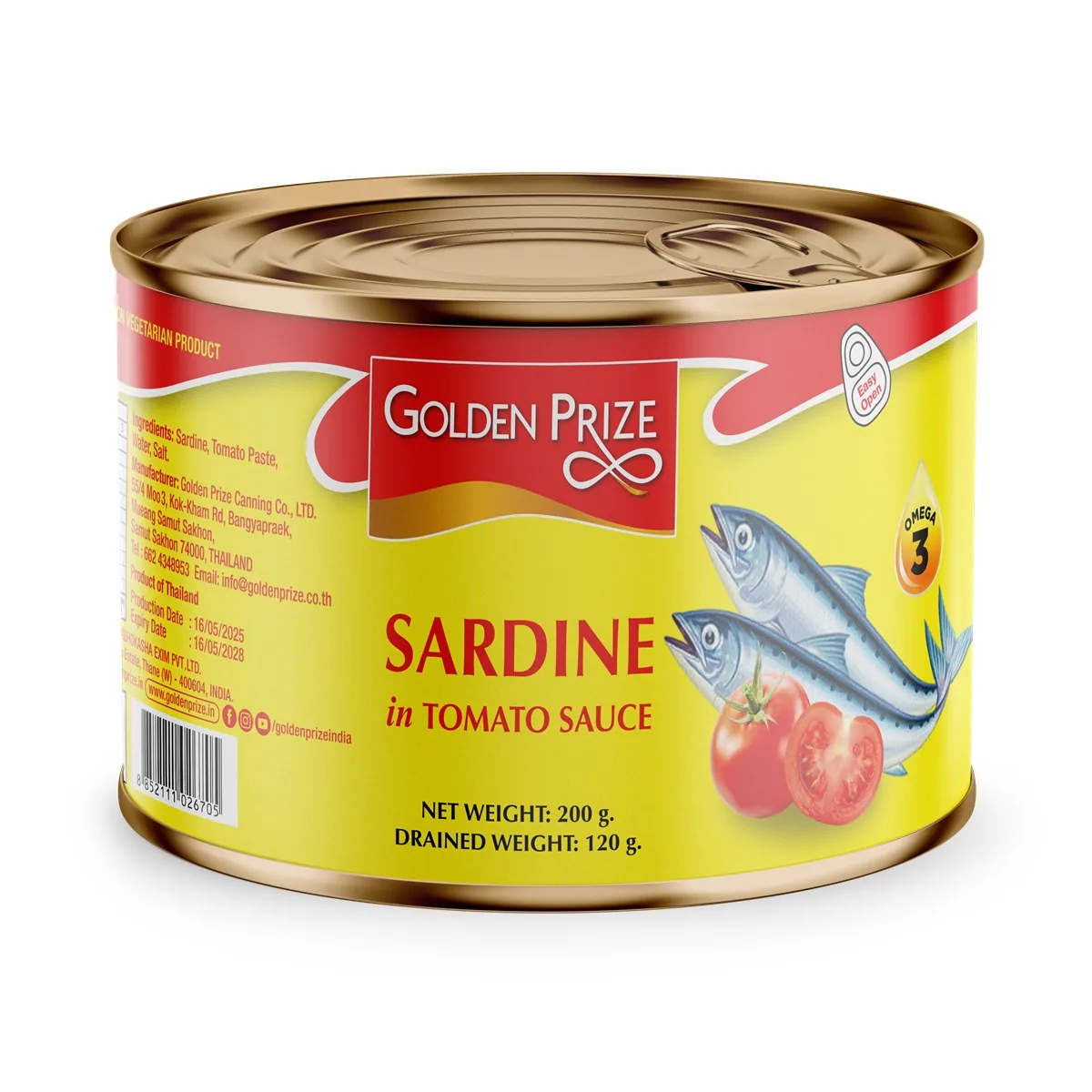
The company pivoted toward premium and gourmet food, launching Golden Prize canned seafood and entering a category shaped by sourcing integrity, product knowledge and dependable availability.
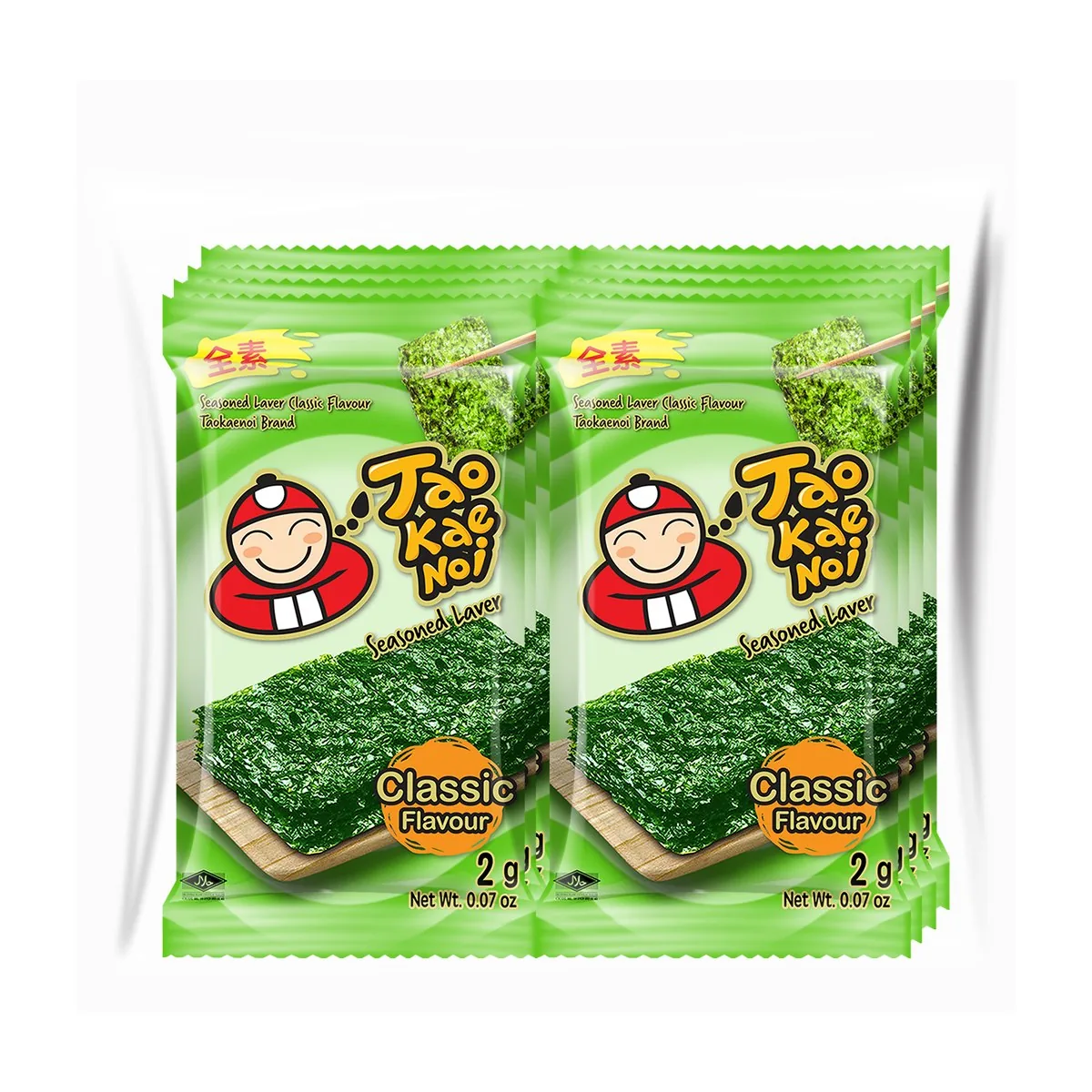
Golden Prize expanded while Paldo noodles, Tao Kae Noi seaweed and other selected Asian brands established the foundations of a broader international-food platform.
During disrupted global supply, Ashokasha maintained focus on dependable canned-seafood availability and expanded its beverage portfolio through Food Empire’s Singapore range.
A dedicated foodservice vertical launched alongside Noriko and an expanding portfolio for Asian and Middle Eastern kitchens—connecting sourcing, compliance, distribution and category development.
THE PORTFOLIO NEVER STOOD STILL. EACH PIVOT TURNED MARKET CHANGE INTO THE NEXT ENGINE OF GROWTH.
Five selected decisions show how Ashokasha repeatedly recognised emerging demand, shaped the right proposition and built relevance before a category became crowded.

Ashokasha introduced Malaysia’s Goodmaid range across bleach, floor care, vegetable wash, fabric care and dishwashing, bringing a broader, more considered home-care proposition to Indian households.

After discovering Kinh Do cakes and Swiss rolls at an exhibition, Ashokasha built the format around an accessible ₹10 price point and achieved significant volumes before Indian manufacturing caught up.

Golden Prize launched with broad variety and approachable price points, helping move canned fish beyond a specialist purchase and accelerating its relevance for Indian households.

A first encounter during a THAIFEX sourcing visit became an India opportunity. Ashokasha introduced seaweed snacking when awareness was minimal and helped develop it toward mainstream recognition.

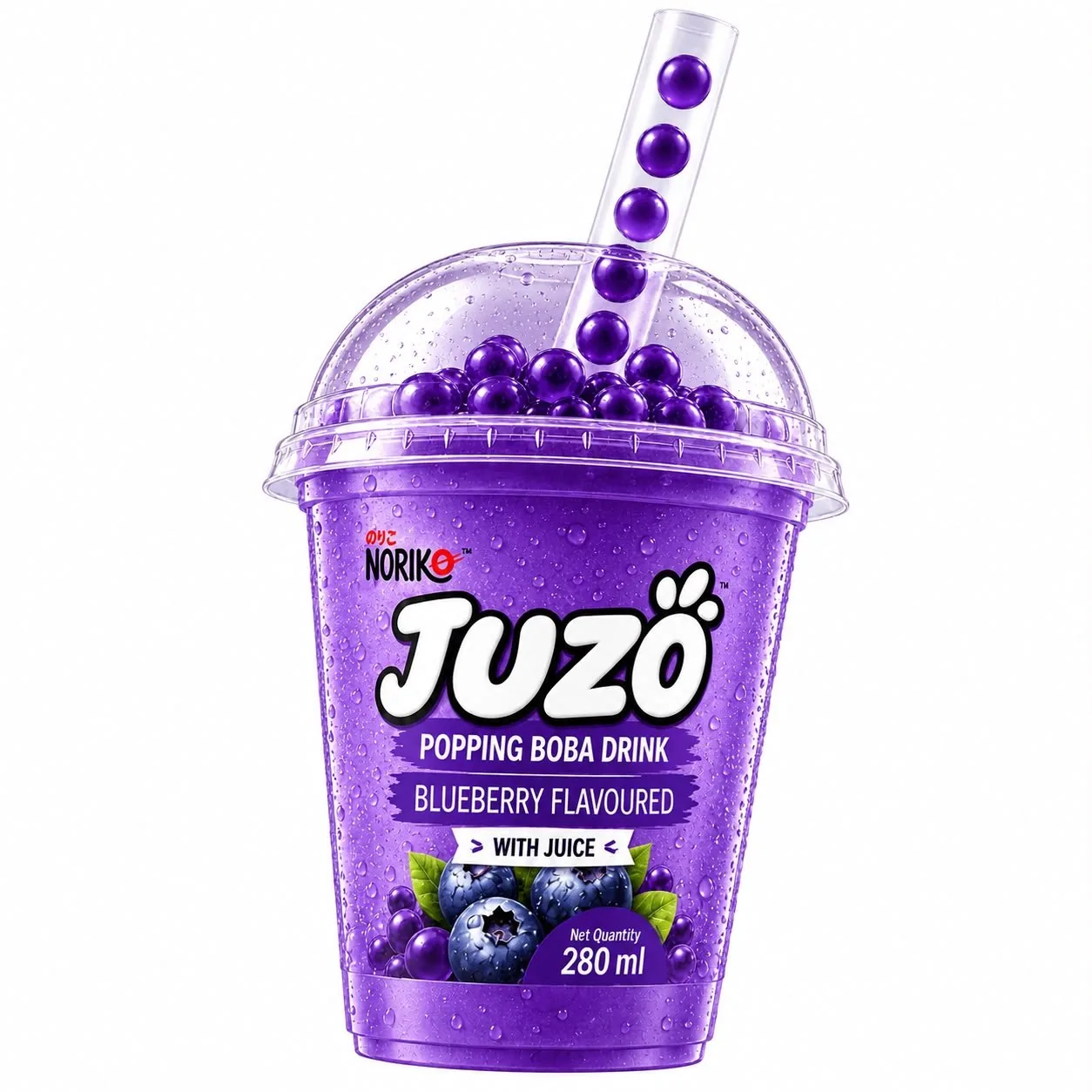
Instead of accepting the unpleasant aluminium-can experience, Ashokasha created Juzo in a transparent cup, closer to how popping boba drinks are freshly served in cafés.
SPOT THE SHIFT EARLY. SHAPE THE RIGHT OFFER. BUILD THE CATEGORY.
Whether you are entering India or sourcing for Indian trade, start with the team that can place the opportunity in its proper commercial context.
START A CONVERSATION ↗